Using AI to help Decathlon and FamilyMart introduce green power, KiWi New Energy aims to supply 180 million kWh of green electricity in 5 years
As Decathlon and FamilyMart accelerate green electricity and AI energy management, Taiwan's retail channels are becoming key drivers of the renewable energy transition — with KiWi targeting 180M kWh transferred and ~85,320 tons of CO₂ avoided in 5 years.
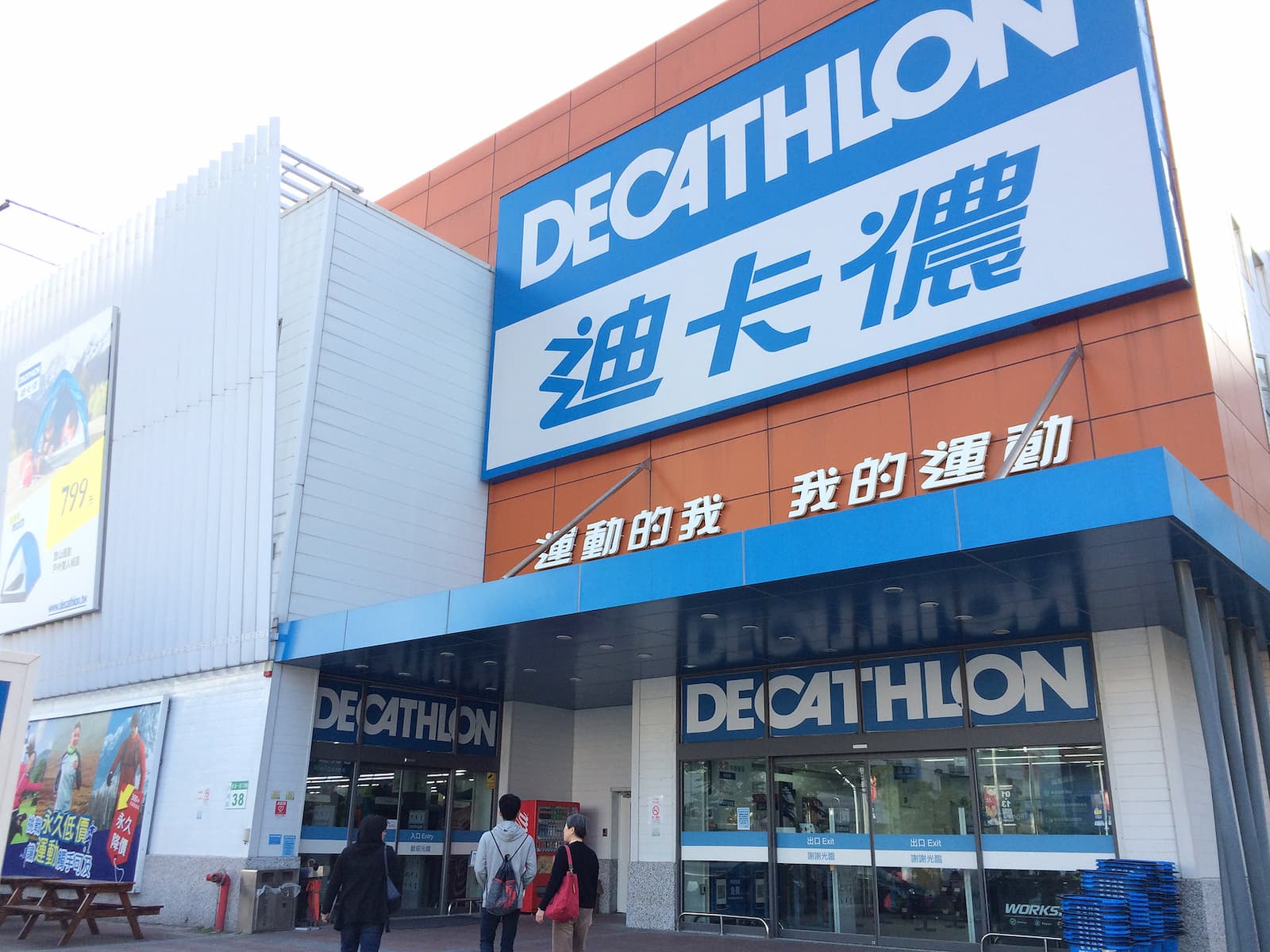
As Decathlon and FamilyMart simultaneously accelerate the introduction of green electricity and artificial intelligence (AI) energy management, retail channels in Taiwan are becoming important drivers of the renewable energy transition. KiWi New Energy is expanding its renewable energy collaborations with large retail brands. The goal is to transfer more than 180 million kWh of green electricity through its platform within 5 years, cumulatively reducing greenhouse gas emissions by approximately 85,320 tons.
Decathlon to Build Rooftop Solar in 2026, FamilyMart Introduces Green Energy to Over 3,000 Stores
Currently, Decathlon's 8 main stores in Taiwan have all adopted KiWi's AI smart energy management system, utilizing power generation forecasting and load analysis to continuously increase the proportion of green electricity. Since officially adopting KiWi's green electricity procurement plan in March 2025, the share of renewable energy has reached 70%.
Starting in 2026, Decathlon will install rooftop solar photovoltaics at its Nantun headquarters in Taichung, paired with energy storage dispatch and an AI demand response model, to advance toward RE100 (100% renewable energy). The scope of the collaboration includes long-term procurement contracts, energy storage regulation, and REC (Renewable Energy Certificate) traceability to establish a verifiable foundation for carbon reduction.
The pace of green energy adoption at FamilyMart has also significantly accelerated. As of November 2025, the green electricity coverage rate across FamilyMart stores has exceeded 10%. Before the end of 2025, it is expected that 1,200 additional stores will implement the green energy plan, with plans to expand to over 3,000 stores by the end of 2026.
Convenience Stores Transform into Grid Nodes, Supporting Community Power Supply Resilience
In the next phase, FamilyMart and KiWi will launch an energy storage system verification project, deploying distributed energy storage equipment at selected stores to pilot a "convenience store-level microgrid." This model will strengthen the stores' autonomous power supply capabilities during power rationing or disaster scenarios, enabling convenience stores to become community-level energy nodes that support emergency power supply and enhance local resilience.
KiWi's core technology is an AI energy matching engine that can simultaneously coordinate renewable energy generation, electricity consumption ends, and behind-the-meter energy storage in compliance with Taipower's "15-minute electricity trading" regulations to conduct green electricity matching and dynamic load balancing. By integrating real-time power data, the company hopes to improve the transparency and traceability of green energy usage while lowering the threshold for retail and small and medium-sized enterprises to procure green electricity.
Related Articles
KiWi at SEMI's AI & Net-Zero Dual Transformation Forum: Dr. Wei-Che Huang Joined as Featured Speaker
On June 17, KiWi founder and CEO Dr. Wei-Che Huang joined SEMI's AI & Net-Zero Dual Transformation Forum as a featured speaker, sharing how AI energy orchestration can help enterprises turn power from a bottleneck into a strategic enabler for decarbonization and industrial upgrading.
KiWi Selected for Startup Terrace IP2 ScaleOut: Landing the AI Energy Operating System in the US
KiWi New Energy has been selected for Startup Terrace's IP2 ScaleOut program — a market-entry initiative that helps Taiwan's most globally-ready startups establish operations, customers, and partnerships in the United States. The kick-off meeting took place last Friday, marking the official start of KiWi's structured US scale-out plan for the AI Energy Datacenter (AI-EDC).