KiWi · AI-EDC PLATFORM

A smarter plan for every kWh of green power.

Bring supply, consumption and storage data together to support green power matching, energy scheduling and multi-site management.

For authorized members only. Contact our team to request access.

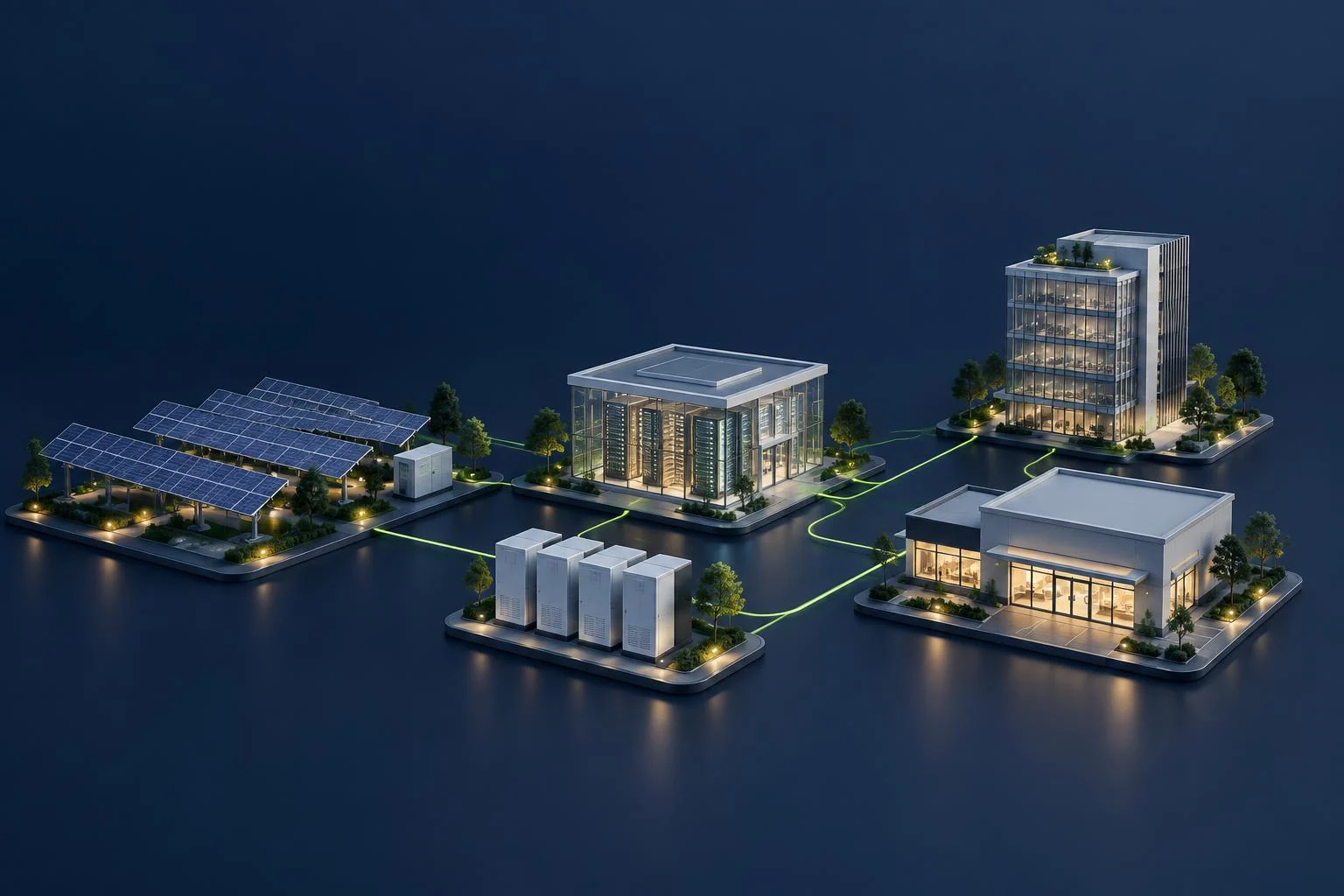
Concept illustration connecting solar generation, battery storage, retail, offices and an AI-EDC data hub.
Solar generationBattery storageAI-EDCRetail & offices
Energy collaboration concept
01 / AI-EDC

From fragmented data to coordinated decisions.

A shared information layer for supply, demand and storage — with physical delivery and device control kept distinct.

Data architecture · concept

Data flow
  1. 01

    Sources

    Supply records, meters, site loads and battery status

  2. 02

    Site integration

    Align timestamps and build consumption profiles

  3. 03

    AI & matching

    Analyze demand and match available green power

  4. 04

    Coordinated scheduling

    Plan storage and multi-site operations

  5. 05

    Traceability & feedback

    Retain records and inform the next cycle

Physical energy flow

Generation → existing grid / approved site connections → consumption

Control signal

Scheduling → compatible EMS / storage equipment

AI-EDC does not directly route the public electricity grid. Control requires compatible equipment, permissions and site assessment.

02 / AI-EDC

Four foundations. One connected view.

Understand the mechanism, the operational value and the boundaries of each capability.

15-minute matching

Mechanism
Compare supply and consumption in 15-minute time intervals to support green power matching.
Business value
See when available green power aligns with site demand, rather than relying only on aggregate totals.

15 minutes is time granularity, not an accuracy rate. Availability depends on data and market conditions.
EMS · edge meets cloud

Mechanism
Existing public materials describe site-data integration and cloud analysis. Closer edge/cloud EMS collaboration is a development direction.
Business value
Build toward coordinated local response and cross-site planning, subject to integration assessment.

Roadmap capability — not a claim of universal rollout or offline autonomy.

Storage & VPP collaboration

Mechanism
Use load, tariff and battery-state information to support charging, discharging and distributed-resource scheduling.
Business value
Assess how storage can support peak-load management and green power use across sites.

Equipment compatibility and dispatch permissions must be confirmed. Savings are not guaranteed.

Traceable energy data

Mechanism
Organize time-linked supply, consumption and matching records for review and traceability.
Business value
Provide a clearer evidence trail for internal energy management and reporting preparation.

Traceable records are not external certification, an audit opinion or guaranteed reporting compliance.

03 / AI-EDC

Energy operations, in perspective.

A concept of how load, storage and matching information could share a single operational view.

Interface concept / demonstration data
AI-EDC / Energy operations overview
Interface concept / demonstration data
Site load128 kW
Green power supply86 kW
Battery SOC64 %

Supply & demand profile

Illustrative day · 00:00–24:00
Site loadGreen power supply
15010050000:0006:0012:0018:0024:00

Battery SOC

64%

State of charge · demo

Matching overview

Matched supply · 68%Remaining demand · 32%

Site overview

SiteData status
Retail ADemo record
Office BDemo record
Site CDemo record

All values are fictional demonstration data, not a live platform screenshot, customer record or measured result. Layout and capabilities are illustrative.

04 / AI-EDC

Different sites. Shared energy intelligence.

Illustrative use contexts — not customer case studies, deployments or results.

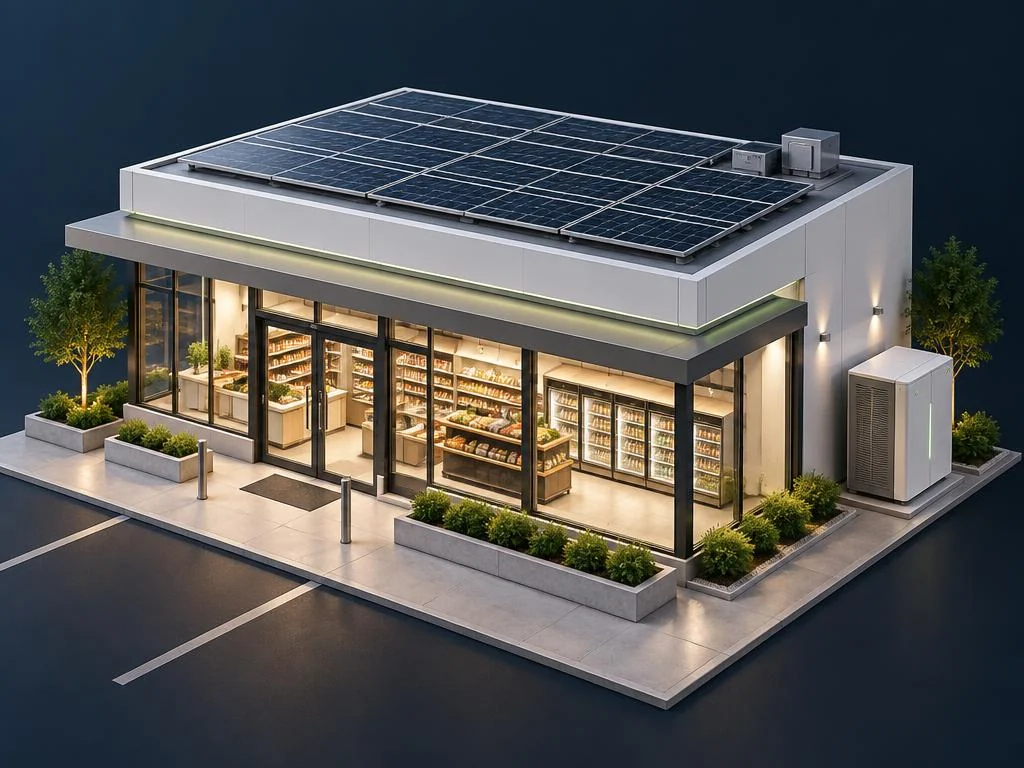
Generated concept of an unbranded retail store with solar panels and a battery cabinet.
Scenario illustration

Retail

Challenge
Refrigeration and operating hours create changing load patterns.
Relevant capability
Load visibility, time-based matching and storage scheduling assessment.
How to use
Review meter data and operating hours with the team to assess suitable integration.
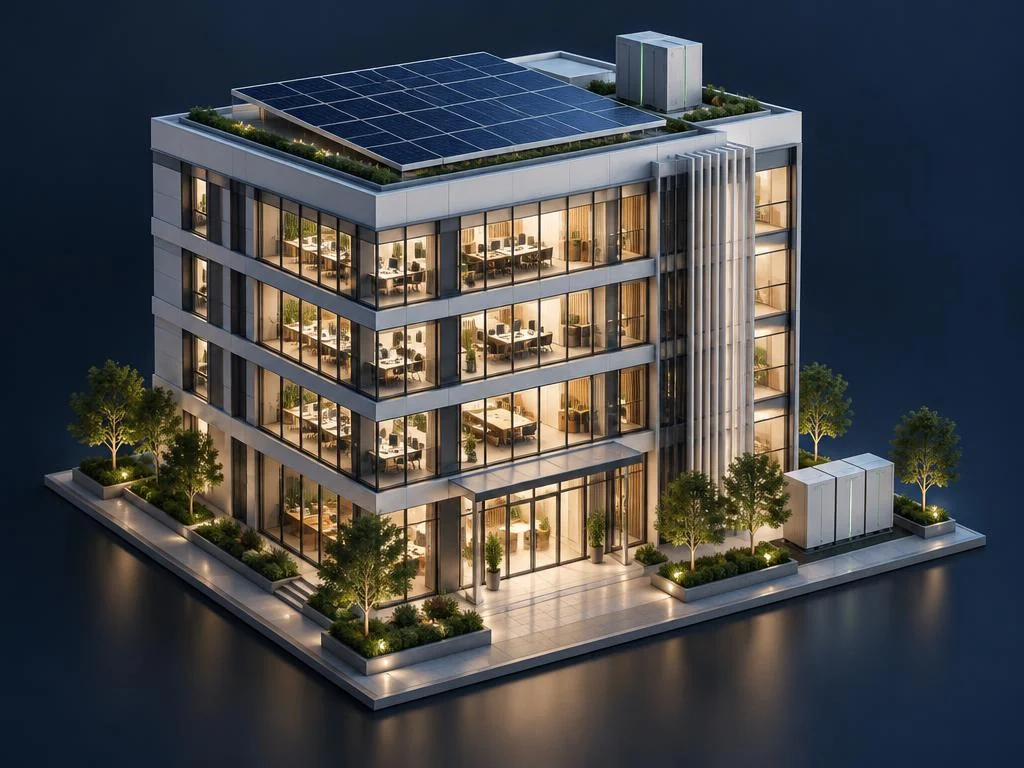
Generated concept of an office building with rooftop solar and storage.
Scenario illustration

Commercial offices

Challenge
HVAC and occupancy shift demand throughout the working day.
Relevant capability
Consumption profiling, supply comparison and scheduling assessment.
How to use
Bring building consumption and equipment information to a demonstration and site review.
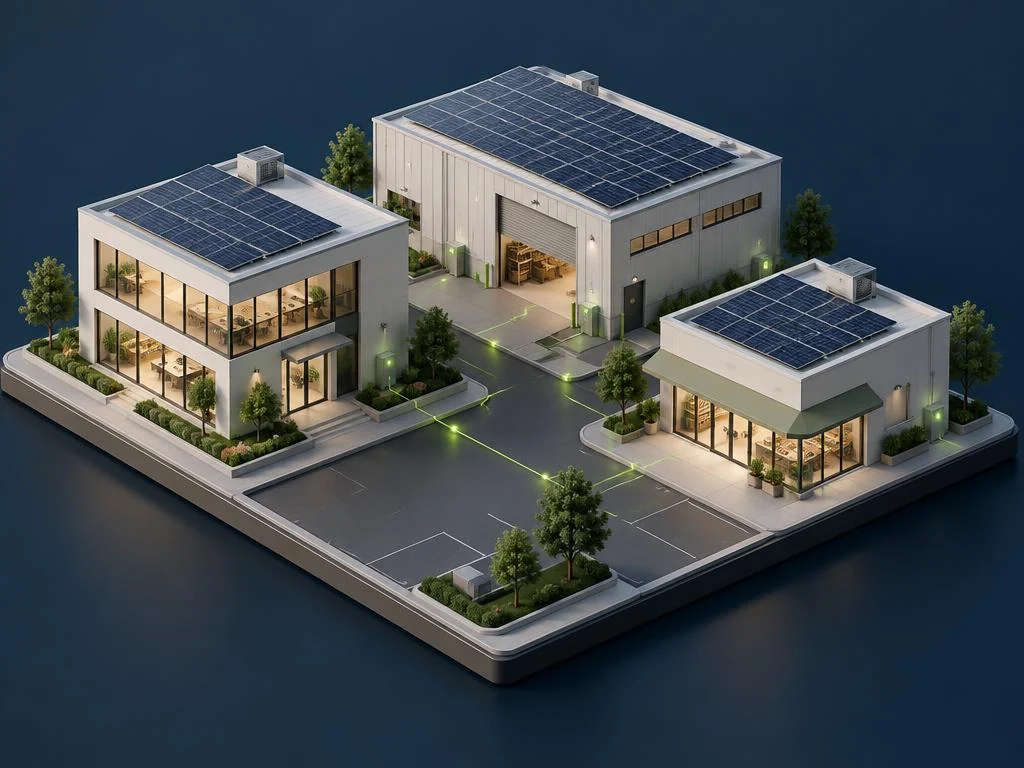
Generated concept of three small business sites linked by conceptual data paths.
Scenario illustration

Multi-site SMEs

Challenge
Different sites and data formats make coordinated decisions difficult.
Relevant capability
Site-data integration, cross-site comparison and traceable records.
How to use
Start with available site data, agree a common scope and evaluate a phased integration.
KiWi · AI-EDC

Turn distributed energy into manageable operations.

Start with your sites, your data and your priorities. Explore the right scope with KiWi.

For authorized members only. Contact our team to request access.