

Energy management system · Public introduction
KiWiAIEMS
Turn energy data into actionable management decisions
KiWi AI-EMS connects electricity data from distributed sites with on-site equipment management, helping businesses move from seeing consumption and improving management to verifying energy results with data.
Public introduction. The system is for already authorized accounts only; signing in does not itself grant access.
Four core capability themes
These describe product capability scope and direction; what is available depends on each site's integration, equipment and verification.
- EMS·01
Multi-site energy visibility
Consolidate site-level electricity data to compare and review operating patterns across sites.
- EMS·02
Metered data for decisions
Data collection and validation, anomaly review and energy reporting. Update frequency depends on site metering and connectivity; not all data is live.
- EMS·03
Connect equipment data
Connect data from supported, installed and commissioned equipment for management staff to review. Data monitoring and analysis do not grant equipment control permissions.
- EMS·04
Measurable improvement
Establish baselines and verify energy-management results with data. No savings guarantees.
- Site A · RetailPattern review
- Site B · OfficeBaseline in progress
- Site C · RetailAnomaly awaiting review
All values and states are fictional
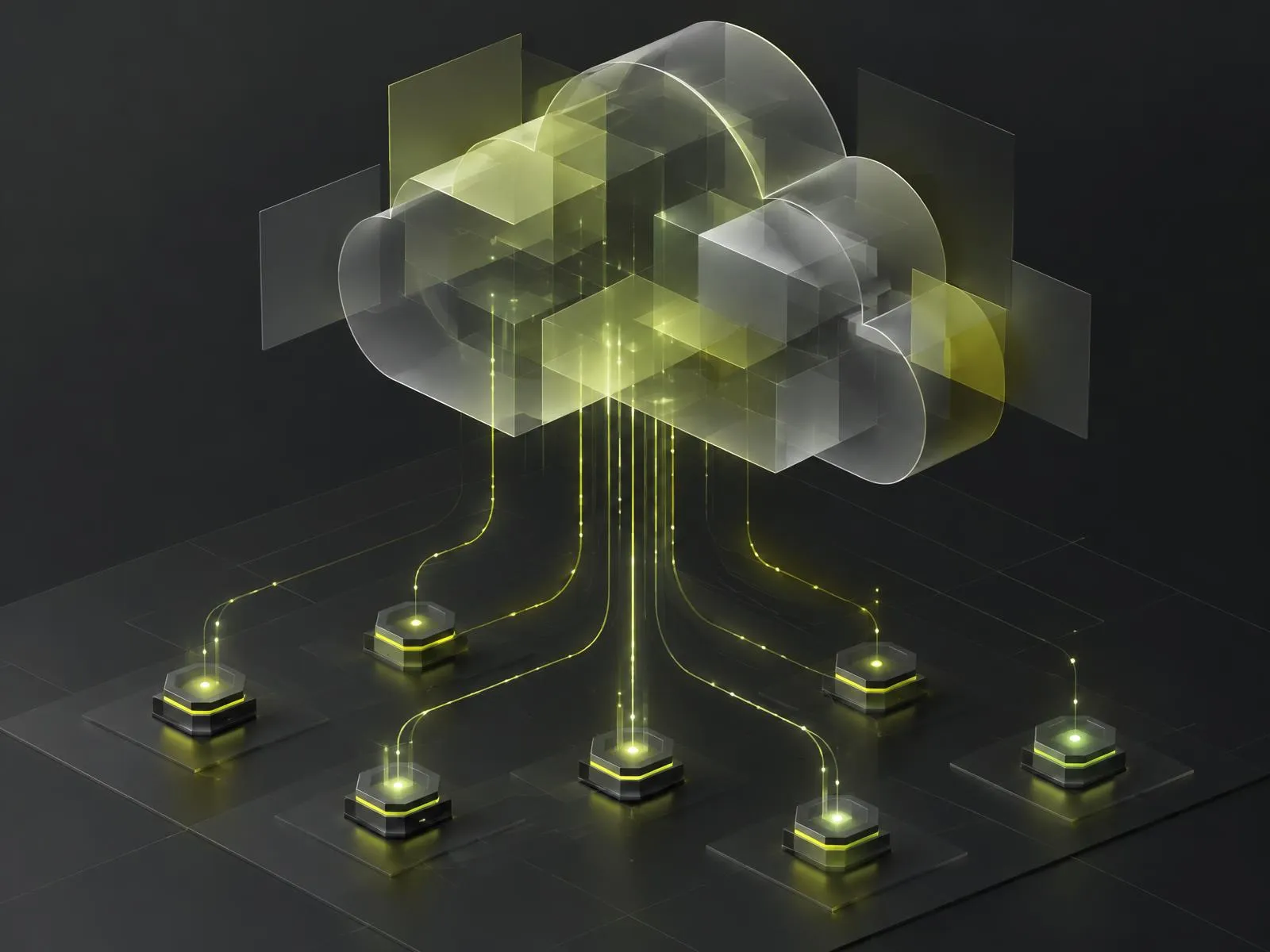
An edge-to-cloud data pipeline
A generic, conceptual view of how site data becomes management decisions.
- 01
Site meters and equipment
Electricity data from existing or added metering points.
- 02
Edge data collection
Data gathered and organized on site.
- 03
Cloud analysis
Comparison, validation and management reporting.
- 04
Human review / separately authorized integration
People review decisions; any equipment integration requires separate authorization.
Data flow is not a command or control permission. Live scope is subject to project integration and verification.

Advanced integrations assessed and verified per site
These directions are not available to all users; each requires case-by-case assessment and verification.
Depends on
- Equipment compatibility and installation
- Data quality
- Model validation
- Control authorization
Contexts we can assess
Retail and chain stores
An application context for comparing and reviewing multi-store consumption.
Commercial offices
An application context for building consumption patterns and baselines.
Factories and industrial sites
Applicability must be assessed against equipment and processes.
Japan Retail Battery Storage PoC: From Measured Load to Financial Decisions
Using half-hourly load data, battery operating constraints and clearly defined cost scenarios, KiWi helps project teams compare PoC investment, store-level savings and commercialization conditions. The tool presents short-term HaaS, long-term service contracts and custom procurement options separately, and flags market participation, cost ranges and conditions where data is still to be confirmed.
- 01
Measurement and peak-shaving validation
Review peak-shaving scenarios against half-hourly load and battery operating constraints.
- 02
Cost and benefit breakdown
Show PoC investment, store savings and cost ranges separately.
- 03
Commercialization comparison
Compare short-term HaaS, long-term service and custom procurement options.
For PoC assessment only; does not indicate completed deployment, confirmed market revenue or guaranteed benefits.
Four onboarding stages
Timing depends on site conditions; there is no fixed schedule.
- 01
Needs and scope
Confirm management goals and site scope.
- 02
Equipment and data assessment
Review metering points, equipment and data quality.
- 03
Integration and validation
Connect data and validate its accuracy.
- 04
Authorized go-live and review
Go live once authorized, then review results regularly.
Authorized-account access
The AIEMS system is separate from this public page. Sign-in is currently open only to already authorized accounts; this page offers no registration or access requests. To discuss an assessment, please reach us through the contact page.
Public introduction. The system is for already authorized accounts only; signing in does not itself grant access.